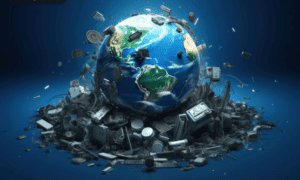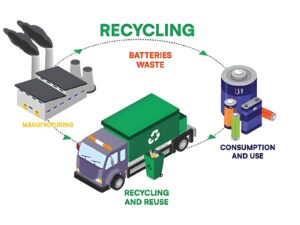
Electronic gadgets quickly become outmoded in today’s fast-paced digital world, creating an increasing problem known as electronic waste, or “e-waste.” The environment can be seriously harmed by improper disposal of everything from outdated laptops and smartphones to abandoned appliances. For individuals and companies seeking to implement sustainable practices, it is crucial to understand the e-waste recycling process. In Bangalore, reputable service providers like Escrappy Recyclers are essential to the effective and ethical management of this process.
What is E-Waste?
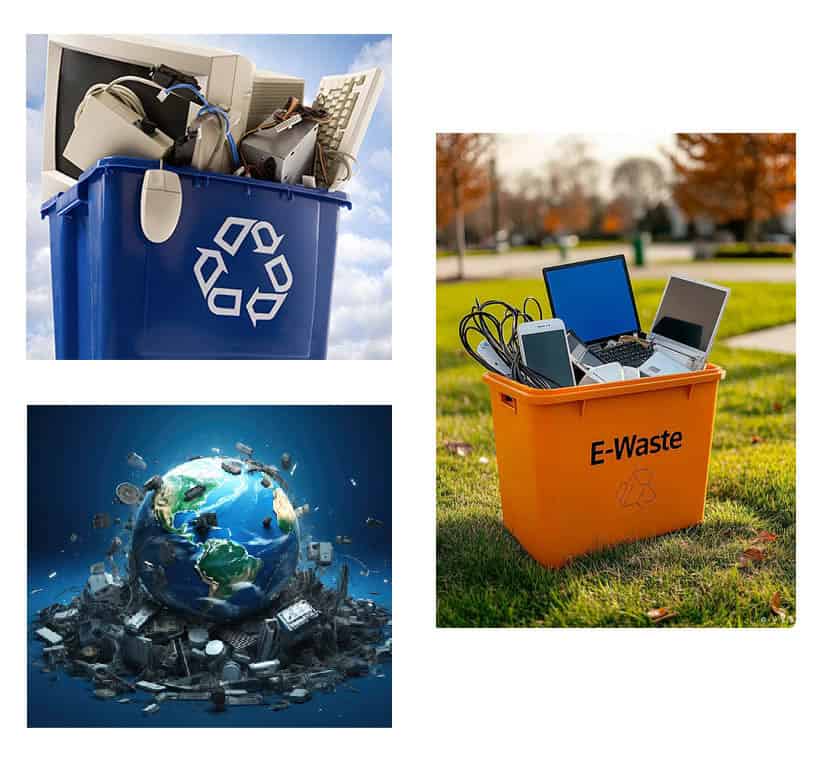
E-waste includes any electronic device that is no longer in use or has reached the end of its lifecycle. This includes computers, televisions, printers, batteries, and mobile phones. These items often contain hazardous materials like lead, mercury, and cadmium, which can contaminate soil and water if not handled properly.
1) Collection of E-Waste
The recycling process begins with the collection of discarded electronics. Individuals, offices, and industries can either drop off their e-waste at designated centers or schedule pickups through certified recyclers. Companies like Escrappy Recyclers in Bangalore provide convenient doorstep collection services, making it easier for people to dispose of their electronic waste responsibly.
Collection is a critical step because improper disposal, such as throwing electronics in regular garbage, can cause environmental damage and health risks. An organized collection ensures that e-waste enters a structured recycling system.
2) Transportation and Storage
Once collected, the e-waste is transported to authorized recycling facilities. During this stage, items are carefully handled to prevent damage or leakage of harmful substances. Safe storage is also essential to ensure that hazardous components do not pose risks before processing begins.
Professional recyclers adhere to strict guidelines and environmental regulations to ensure safety and compliance during transportation and storage.
3) Sorting and Segregation
At the recycling facility, e-waste is sorted based on type, material, and condition. Items are categorized into reusable, repairable, and recyclable groups. For example:
- Reusable devices may be refurbished and resold
- Repairable items are fixed and reused
- Non-functional items are sent for material recovery
This step ensures maximum resource utilization and minimizes waste. Advanced sorting techniques used by expert recyclers, such as Escrappy Recyclers, streamline the process and improve efficiency.
4) Dismantling and Shredding
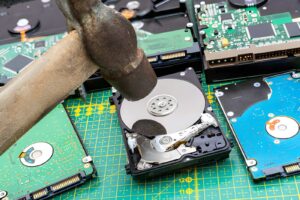
After sorting, e-waste undergoes dismantling, in which devices are taken apart manually or mechanically. Components such as circuit boards, batteries, plastics, and metals are separated.
Following dismantling, materials are shredded into smaller pieces. This makes it easier to extract valuable metals such as copper, aluminum, gold, and silver. Shredding also helps in isolating hazardous substances for safe disposal.
5) Material Recovery
One of the most important stages of e-waste recycling is material recovery. Using advanced techniques such as magnetic separation, eddy-current separation, and chemical processing, valuable materials are extracted from shredded waste.
Recovered materials include:
- Metals (iron, copper, aluminum)
- Precious metals (gold, silver, palladium)
- Plastics and glass
These materials are then purified and prepared for reuse in manufacturing new products. This reduces the need to mine raw materials, conserving energy and natural resources.
6) Safe Disposal of Hazardous Waste
Not all components of e-waste can be reused. Hazardous elements like lead, mercury, and certain chemicals must be disposed of safely. Certified recyclers ensure that these materials are treated and disposed of in compliance with environmental regulations.
By partnering with responsible recyclers such as Escrappy Recyclers Bangalore, businesses and individuals can help ensure that toxic substances do not harm the environment or public health.
7) Reuse and Manufacturing
The final stage of the process involves reusing recovered materials to produce new electronic devices and other products. Recycled metals and plastics are used in manufacturing, reducing production costs and environmental impact.
Additionally, refurbished devices re-enter the market, extending their lifecycle and making technology more affordable.
Benefits of E-Waste Recycling
E-waste recycling offers numerous advantages:
- Environmental Protection: Prevents pollution caused by toxic materials
- Resource Conservation: Reduces the need for raw material extraction
- Energy Savings: Recycling consumes less energy than producing new materials
- Economic Growth: Creates job opportunities in the recycling sector
- Data Security: Certified recyclers ensure safe data destruction
Why Choose Professional E-Waste Recyclers?
Handling e-waste requires expertise, appropriate equipment, and regulatory compliance. Professional recyclers like Escrappy Recyclers Bangalore provide end-to-end solutions from collection to disposal, ensuring safe and efficient recycling.
They also offer services such as bulk e-waste management for businesses, IT asset disposal, and data destruction, making them a reliable partner for sustainable waste management.
In Conclusion
E-waste recycling is not just an environmental responsibility—it is a necessity in today’s technology-driven world. By understanding the recycling process, individuals and organizations can make informed decisions about how they dispose of electronic waste.
Choosing trusted partners like Escrappy Recyclers Bangalore ensures that your e-waste is handled responsibly, contributing to a cleaner, greener future. Start recycling today and be part of the sustainable movement to reduce electronic waste and protect our planet.