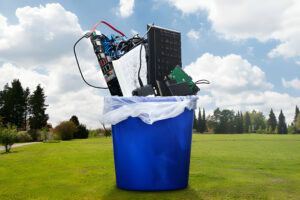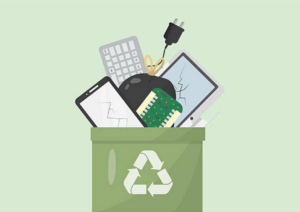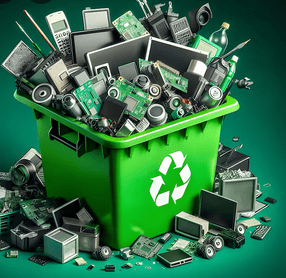
To function effectively in the modern digital world, offices and IT firms rely on computers, laptops, printers, servers, networking equipment, and other electronic gadgets. However, as technology advances and businesses upgrade their systems, outdated and damaged electronics accumulate, creating a growing challenge: electronic waste, commonly known as e-waste.
For businesses in Tumakuru, Karnataka, responsible electronic waste disposal is becoming an important part of sustainable business operations. Improper disposal can contribute to environmental pollution, while discarded computers and storage devices may expose confidential business information if they are not handled securely.
Corporate e-waste recycling in Tumakuru provides offices and IT companies with a practical way to manage obsolete electronic equipment, recover valuable materials, and support environmental sustainability. E-Scrappy Recyclers helps businesses understand the importance of responsible e-waste management and the benefits of choosing professional recycling solutions.
What Is Corporate E-Waste Recycling?
Corporate e-waste recycling is the organised collection, handling, and recycling of electronic equipment discarded by businesses. It covers electronic products that have reached the end of their useful life, become damaged, or been replaced during technology upgrades.
Common examples of corporate e-waste include:
- Desktop computers, laptops, and computer accessories
- Printers, scanners, and photocopiers
- Servers, routers, switches, and networking equipment
- Keyboards, mice, cables, and electronic components
- Hard drives, solid-state drives, and other storage devices
- Unusable monitors and other office electronics
Instead of sending these items to general waste facilities or informal disposal channels, businesses can work with appropriate recycling partners to ensure that electronic waste is managed responsibly.
Why Offices and IT Companies in Tumakuru Need E-Waste Recycling
Tumakuru has a growing business environment that includes offices, educational institutions, manufacturing businesses, and technology-dependent organisations. These establishments regularly use electronic equipment to manage operations, communication, and data.
As equipment becomes outdated, businesses need a reliable method to dispose of it.
- Protecting the Environment
Electronic equipment may contain substances that can harm the environment when handled or discarded improperly. Uncontrolled dismantling, burning, or dumping can contaminate soil and water and expose people to hazardous materials.
Professional recycling helps direct electronic waste into appropriate treatment and material recovery processes. It also reduces the likelihood of discarded electronics entering landfills or informal recycling channels.
- Supporting Sustainable Business Practices
Sustainability is increasingly important for organisations seeking to improve their environmental performance. Responsible e-waste management supports waste reduction, resource recovery, and more efficient use of materials.
By adopting a structured recycling process, companies in Tumakuru can demonstrate a practical commitment to environmental responsibility and strengthen their broader sustainability initiatives.
- Managing Electronic Waste During IT Upgrades
IT companies frequently replace computers, servers, networking devices, and other equipment to maintain performance and security. Without a planned disposal process, obsolete devices can quickly occupy valuable office and storage space.
A corporate recycling programme helps businesses organise equipment collection, identify reusable assets where appropriate, and direct end-of-life electronics to suitable recycling channels.
Benefits of Professional Corporate E-Waste Recycling
Choosing a suitable e-waste recycling partner offers several advantages for businesses.
- Secure handling of electronic assets: Business computers and storage devices may contain confidential information. A responsible disposal process should include appropriate data sanitisation or verified destruction of storage media when required.
- Better workplace organisation: Regular collection of obsolete electronics prevents unused equipment from accumulating in storerooms, server rooms, and office areas.
- Recovery of valuable materials: Electronic equipment contains materials such as copper, aluminium, iron, and certain precious metals. Appropriate recycling processes help recover useful resources and reduce demand for newly extracted raw materials.
- Support for regulatory compliance: Businesses should understand the applicable Indian e-waste management requirements and work with appropriately registered recycling and refurbishment channels.
- Improved sustainability planning: Documented collection and recycling activities can support internal environmental initiatives and provide useful information for corporate sustainability reporting.
How Corporate E-Waste Recycling Works
A structured recycling process makes electronic waste management easier for offices and IT companies.
Step 1: Identify and Categorise Electronic Waste
Start by inspecting unused, damaged, and outdated electronic equipment. Separate computers, printers, networking devices, storage media, cables, and other electronics into suitable categories.
Maintain an inventory that records equipment types, quantities, and available asset identification details.
Step 2: Review Data Security Requirements
Before disposing of computers, laptops, servers, and storage devices, identify whether they contain sensitive business or customer information.
Back up necessary files and follow your organisation’s data security policy. Use suitable data sanitisation methods or verified physical destruction when required
Step 3: Arrange Responsible Collection
Contact a suitable corporate e-waste recycling service provider to discuss the type and quantity of equipment, collection arrangements, and handling requirements.
Businesses should verify the relevant registration and authorisation status of the recycler or downstream processing facilities, as applicable.
Step 4: Ensure Appropriate Recycling and Recovery
Collected electronics should be directed through suitable channels for reuse, refurbishment, dismantling, and material recovery, depending on their condition and the applicable requirements.
Equipment that can be safely reused or refurbished may have a further useful life. Items that cannot be reused should be processed through appropriate recycling channels.
Step 5: Maintain Disposal Records
Keep relevant records of the equipment transferred, collection details, data destruction activities, and recycling documentation provided by the service provider.
These records help organisations maintain internal accountability and demonstrate how obsolete electronic assets were managed.
E-Waste Management Rules Every Business Should Understand
India’s E-Waste (Management) Rules, 2022, which came into force on 1 April 2023, establish a framework for environmentally sound e-waste management. The framework includes registration and extended producer responsibility requirements for specified stakeholders, including producers, manufacturers, refurbishes, and recyclers.
Businesses should identify the requirements that apply to their particular activities rather than assume that every office has identical registration or reporting obligations. Working with appropriate recycling partners helps organisations direct electronic waste into suitable channels.
For the latest rules, amendments, and registration information, businesses can consult the Central Pollution Control Board’s official e-waste management portal.
Why Choose E-Scrappy Recyclers for Corporate E-Waste Management?
For businesses seeking corporate e-waste recycling in Tumakuru, selecting a suitable recycling partner is an important step towards responsible disposal.
E-Scrappy Recyclers focuses on the importance of structured e-waste collection and responsible electronic waste management. Businesses can use a planned approach to identify obsolete equipment, arrange collection, address data security requirements, and ensure that discarded electronics are directed towards appropriate recycling channels.
When evaluating E-Scrappy Recyclers or any recycling provider, organisations should confirm service availability in Tumakuru, the applicable registration credentials, collection arrangements, data destruction options, and the documentation provided after collection.
This approach helps offices, IT companies, and other organisations make informed decisions about their electronic waste disposal needs.
Corporate e-waste recycling is an important consideration for offices and IT companies in Tumakuru that regularly upgrade their electronic equipment. Responsible recycling helps reduce environmental risks, recover valuable materials, protect sensitive business information, and support sustainable operations.
By creating an organised disposal process and working with suitable recycling partners, businesses can manage obsolete electronics more effectively while improving accountability.
E-Scrappy Recyclers encourages businesses to make responsible electronic waste management part of their sustainability strategy. Whether your organisation is replacing old computers, clearing unused office equipment, or planning an IT infrastructure upgrade, a structured recycling approach can help you manage electronic waste responsibly and contribute to a cleaner environment.