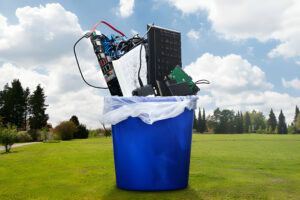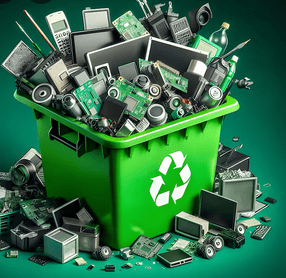
Electronic devices have become an essential part of modern life. From smartphones and laptops to televisions, printers, batteries, and home appliances, technology is everywhere. However, when these products reach the end of their useful life, they become electronic waste, or e-waste. As the use of electronics continues to grow, responsible e-waste recycling has become increasingly important.
Despite growing awareness, several myths about e-waste recycling still prevent individuals and businesses from disposing of electronics responsibly. At E-scrappy Recycler, we believe that understanding the facts is the first step toward better e-waste management.
Here are the top 7 myths about e-waste recycling, along with the facts you need to know:
-
Myth: E-Waste Is Just Regular Household Waste
One of the most common misconceptions is that unwanted electronic devices can simply be thrown into regular household garbage.
The Fact
Electronic waste is different from ordinary household waste. Many electronic products contain valuable materials such as copper, aluminum, gold, silver, and other recoverable components.
When electronics are sent to landfills instead of appropriate recycling channels, valuable resources can be lost and improper handling can create environmental risks.
Responsible e-waste recycling allows electronic equipment to be collected, sorted, dismantled, and processed through appropriate recycling methods.
E-scrappy Recycler promotes responsible disposal practices that help keep electronic waste out of conventional waste streams.
-
Myth: Recycling Electronics Means Everything Gets Thrown Away
Some people believe that recycling simply means collecting old devices and eventually throwing them away.
The Fact
Proper e-waste recycling involves much more than disposal. Depending on the condition and type of equipment, electronic products can go through several stages.
These may include:
- Collection and transportation
- Sorting and categorization
- Reuse or refurbishment assessment
- Dismantling
- Component recovery
- Material separation
- Recycling of recoverable materials
- Responsible handling of remaining residues
Working electronics may sometimes be suitable for reuse or refurbishment, while damaged equipment can be processed to recover useful materials.
The goal of responsible recycling is to maximize resource recovery and minimize unnecessary disposal.
-
Myth: Only Large Electronics Need to Be Recycled
Another common myth is that only large products such as refrigerators, televisions, computers, or washing machines qualify as e-waste.
The Fact
E-waste can include a wide variety of electrical and electronic products.
Examples include:
- Mobile phones and tablets
- Computers and laptops
- Keyboards and mice
- Printers and scanners
- Chargers and cables
- Televisions and monitors
- Small household electronics
- Networking equipment
- Batteries and electronic accessories
Even small electronic items can contribute to the growing volume of e-waste when they are discarded improperly.
Instead of allowing old chargers, phones, cables, and accessories to accumulate or enter general waste, consumers and businesses should use appropriate collection and recycling channels.
-
Myth: Old Electronics Have No Value
Many people assume that a broken laptop, outdated smartphone, or damaged electronic device has no value.
The Fact
An electronic device that no longer works may still contain recoverable materials and components.
For example, circuit boards and cables can contain materials that can be recovered through specialized recycling processes. Metals such as copper and aluminum can be separated and sent for material recovery.
Some devices may also contain components that can potentially be reused or refurbished, depending on their condition.
This makes e-waste recycling part of a broader circular economy approach. Instead of treating electronics as worthless waste, recycling helps recover resources and return them to productive use.

-
Myth: Data Is Automatically Destroyed When Electronics Are Recycled
Businesses and individuals often worry about sensitive information stored on old computers, hard drives, smartphones, and other devices. A common misconception is that sending a device for recycling automatically eliminates all stored data.
The Fact
Physical recycling and data destruction are separate processes.
Deleting a file or performing a basic reset may not always provide the level of data security required for sensitive information. Organizations should have appropriate data destruction procedures before equipment containing confidential information enters the recycling process.
Businesses handling retired IT equipment should consider documented data sanitization or appropriate physical destruction methods based on their security requirements.
A responsible e-waste management process should therefore address both environmental recycling and data security where applicable.
-
Myth: E-Waste Recycling Is Only Important for the Environment
Environmental protection is certainly one of the major reasons for recycling electronic waste, but it is not the only benefit.
The Fact
Proper e-waste recycling can provide several advantages.
- Resource conservation: Recycling helps recover materials from discarded electronics, reducing the need to obtain all resources from newly extracted raw materials.
- Waste reduction: Responsible recycling diverts suitable materials from conventional disposal routes.
- Circular economy support: Recovered materials can potentially be used as inputs for manufacturing new products.
- Better waste management: Organized recycling creates a structured pathway for businesses and households to manage obsolete electronics.
- Responsible business practices: Companies can strengthen their environmental and resource-management efforts by implementing systematic e-waste disposal procedures.
Therefore, e-waste recycling can support environmental, resource, operational, and sustainability objectives.
-
Myth: Recycling E-Waste Is Too Difficult and Expensive
Some businesses and households avoid recycling because they assume responsible e-waste management is complicated, inconvenient, or unnecessarily expensive.
The Fact
Professional e-waste recycling services can simplify the process. Depending on the service provider and type of electronic waste, collection, transportation, sorting, processing, and documentation can be organized as part of a structured recycling program.
For businesses with significant quantities of obsolete electronics, establishing a regular e-waste management process can make disposal more organized and predictable.
At E-scrappy Recycler, responsible e-waste management focuses on creating practical pathways for electronic waste collection and recycling while emphasizing resource recovery and environmentally responsible handling.
Why Choosing Responsible E-Waste Recycling Matters
Understanding these myths can help consumers and businesses make better decisions about unwanted electronics. Simply putting an old electronic device in a general waste bin does not necessarily represent responsible disposal.
A better approach is to identify the type of electronic waste, protect or appropriately manage any sensitive data, separate devices from general waste, and send them through suitable recycling channels.
Responsible recycling also supports the principles of the circular economy by keeping valuable materials in productive use for as long as possible.
As technology continues to evolve, electronic waste management will become increasingly important. Businesses, institutions, and households all have a role to play in creating more responsible disposal habits.
In Conclusion
E-waste recycling is surrounded by misconceptions, from the belief that electronics are ordinary garbage to the idea that broken devices have no recoverable value. In reality, responsible recycling can help recover materials, reduce waste, support circular resource use, and promote better electronic waste management.
By separating facts from myths and choosing appropriate recycling channels, individuals and businesses can take practical steps toward more responsible electronics disposal.
E-scrappy Recycler supports responsible e-waste management by helping create a structured approach to the collection and recycling of unwanted electronic equipment. Instead of treating old electronics as useless waste, make responsible recycling part of your sustainability efforts.