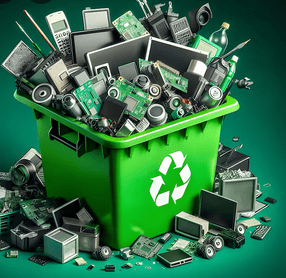
Almost every home and office has a drawer or cupboard full of dead gadgets: an old phone, a laptop that stopped booting, a tangle of chargers nobody can match to anything. In a growing city like Tumakuru, those piles add up fast. What you do with them matters more than most people realise.
E-waste contains useful materials like copper, aluminium and iron. It also contains things that shouldn’t end up in the soil or groundwater. That’s why proper e-waste recycling in Tumakuru, Karnataka, is worth a little effort. At Escrappy Recyclers, we think the first step is simply knowing how the process works so that you can make a good decision about your old equipment.
What counts as e-waste?
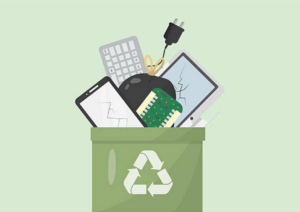
E-waste is any broken, outdated, or unwanted electrical or electronic item. That covers a lot more than people expect:
- Computers, laptops and accessories
- Smartphones, tablets and basic mobile phones
- Printers, scanners and photocopiers
- TVs, monitors and speakers
- Routers and networking gear
- Chargers, cables, circuit boards and other small accessories
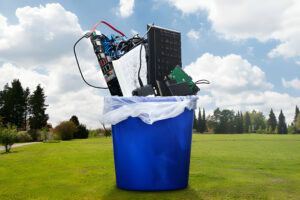
Tossing these in the regular bin is a problem. Batteries and certain components can leak harmful substances, and once a device is buried under wet kitchen waste, the metals inside are almost impossible to recover.
Why it matters for Tumakuru
More homes, offices, schools and businesses mean more electronics, and eventually more of them reaching the end of their life. When that waste goes through proper channels, the metals and other materials get recovered and reused, so less new material has to be mined.
The alternative is worse. Burning cables for copper or breaking open devices without protection releases toxic fumes and puts the people doing it at real risk. Controlled recycling avoids all of that.
There’s a simpler benefit too: the stuff stops piling up. Old equipment sitting in storerooms and cupboards takes up space and does nobody any good.
What happens to your e-waste
The details vary by facility and by type of equipment, but a proper recycling process usually looks like this:
- Collection and transport. Your devices are picked up and taken to an authorised or properly registered facility.
- Sorting and inspection. Items are sorted by type and condition. Anything still working may be repaired or refurbished instead of scrapped.
- Data security. Laptops, servers, phones and drives can hold personal photos, bank details and confidential business files. Wiping the data or physically destroying the storage should happen before anything else.
- Dismantling. Equipment is taken apart by trained people, and metals, plastics, circuit boards and batteries are separated.
- Recovery and safe treatment. Recyclable materials are recovered, and hazardous parts are handled according to the rules that apply to them.
Done properly, this recovers real value without putting workers or the environment at risk.

What you can do
At home:
- Gather up anything broken or unused and keep it somewhere clean and dry until you can arrange a drop-off or pickup.
- Think about repair or reuse first. A laptop that’s just slow, or a phone that works fine, may be useful to someone else. Wipe your data before you pass it on.
- Don’t put electronics in the garbage, don’t burn cables, and don’t try to open up batteries or other hazardous parts yourself.
For businesses, schools and hospitals:
- Keep a record of what you hand over. Collection receipts and asset-disposal records are worth having.
- Plan data destruction before equipment leaves your premises, not after.
- Remember that India’s E-Waste (Management) Rules, 2022 (as amended) set out responsibilities that depend on what your organisation does and the kind of equipment involved.
Choosing a recycling partner
Convenience matters, but so does knowing where your equipment ends up. Escrappy Recyclers is one option to consider when you’re looking at e-waste disposal in Tumakuru. Whichever service you use, ask a few questions first:
- Do they cover your area in Tumakuru?
- Which items do they accept, and is there a charge?
- What paperwork will you get?
- Who processes the waste, and are they authorised?
Businesses should also ask about secure data destruction, how items are tracked and transported, and where the materials finally go. Good answers mean your equipment is being handled properly rather than ending up in an informal, unsafe scrapyard.
Frequently Asked Questions
- What is e-waste recycling?
It’s the process of collecting, sorting, dismantling and processing discarded electronics so useful materials can be recovered and hazardous parts handled safely.
- Which items can be recycled in Tumakuru?
Computers, laptops, phones, printers, monitors, cables, networking equipment and many other devices can usually be recycled. Confirm the accepted list with your service provider.
- Why shouldn’t I throw e-waste in with household garbage?
Electronics can contain hazardous substances as well as valuable materials. Mixed with ordinary trash, they add to pollution and become much harder to recycle.
- Can businesses arrange e-waste recycling?
Yes. Businesses can set up regular collection and disposal for old computers, office equipment and networking devices, subject to the rules that apply to them.
- How do I choose an e-waste recycler in Tumakuru?
Check their service area, authorisations, collection process, paperwork, data-security options and where the waste finally goes before you hand anything over.
Old computers, phones and office equipment don’t have to become pollution. Households can keep electronics out of the garbage, and businesses can set up a simple, documented process for handing over equipment. Either way, Tumakuru ends up a little cleaner.
If you’re sorting through a pile of old devices, Escrappy Recyclers can be part of the solution. Just check coverage and authorisations before you book a pickup.