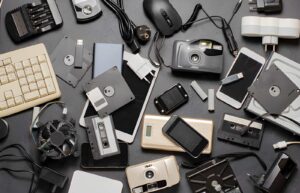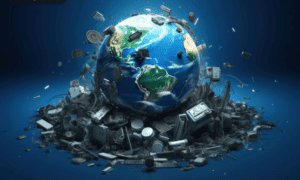

E-waste is one of the fastest-growing waste streams on the planet. Old laptops, phones, TVs, batteries, printers, refrigerators, cables all of it carries both value and risk. There are recoverable materials inside, but also hazardous substances, and when these devices end up in regular trash, get burned, or are dismantled by hand, the consequences aren’t always obvious right away.
Most people never think twice about tossing an old phone in the bin. Here’s what’s actually at stake, and why routing electronics through a proper recycler like Escrappy Recyclers matters more than it seems.
-
Toxic Chemicals Leaching into Soil
Dumped in a landfill, these don’t just sit their rainwater carries them into surrounding soil over time, affecting plants, microorganisms, and everything downstream in the local ecosystem.
Proper recycling handles these components through controlled processes instead of leaving them to break down wherever they land.
-
Contaminated Groundwater
This one’s easy to miss because you can’t see it happening. Hazardous materials from discarded electronics can work their way through soil and reach groundwater, a resource a lot of communities depend on for drinking water and agriculture.
Keeping e-waste out of uncontrolled dump sites is a real part of protecting that water supply, even if the connection isn’t obvious at first glance.
-
Air Pollution from Burning
Burning e-waste to recover metals is a common informal practice, and it’s a dangerous one. Torching cables, circuit boards, and plastics releases toxic fumes into the air, and the people living nearby breathe that in repeatedly, not just once.
Choosing a professional recycler instead of burning or informally dismantling devices avoids this entirely.
-
Direct Health Risks
Workers and waste pickers who handle e-waste without proper equipment or training are exposed to hazardous dust, fumes, and materials sometimes through direct contact, sometimes through contaminated soil or water nearby.
Sending devices to a responsible recycler like Escrappy Recyclers means they end up in facilities built to handle that exposure safely.
-
Wasted Resources
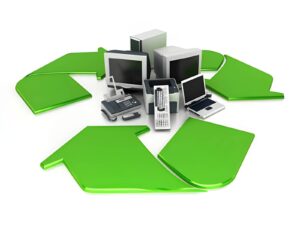
E-waste isn’t garbage; it’s a source of copper, aluminum, steel, plastics, and precious metals that are still perfectly usable. Every device that goes to a landfill instead of a recycler is material that has to be mined fresh instead of recovered.
Proper recycling puts those materials back into circulation instead of losing them permanently.
-
More Mining, More Environmental Damage
When recyclable metals get lost to landfills, manufacturers lean harder on newly mined raw materials and mining isn’t cheap on the environment. It eats energy, water, and often disrupts ecosystems in the process.
Recovering materials from old electronics takes some of that pressure off.
-
Fire and Explosion Risk
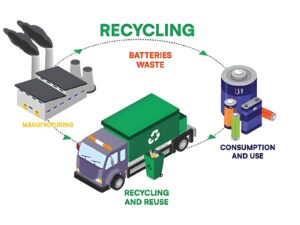
Lithium-ion batteries are everywhere now, and damaged or improperly discarded ones are a genuine fire hazard. Toss one in with general trash or the wrong recycling stream and it can get crushed or punctured and ignite.
Batteries need to be segregated, stored, and transported correctly, which is exactly what proper e-waste handling accounts for.
-
Data Left Behind
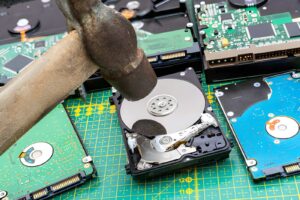
This is the one people forget about most. Old hard drives, phones, laptops, and storage devices can still hold personal or business data even after they look completely dead. Deleting files isn’t enough the data can often still be recovered.
Any responsible recycling process should include actual data destruction or sanitization before a device is recycled or reused. It’s worth asking about this specifically before handing devices over.
-
Harm to Wildlife and Ecosystems
The damage from improperly discarded electronics doesn’t stop at humans. Contaminated soil and water reach plants, insects, birds, and fish and toxic substances can work their way into food chains from there.
Keeping electronics out of uncontrolled disposal channels protects more than just people.
-
A Bigger Carbon Footprint
Every new device manufactured from scratch costs raw materials, energy, and industrial processing. When old electronics aren’t recycled, materials that could have been recovered are lost, and the cycle of extraction just keeps going.
Recycling reduces that need, even if the impact isn’t always visible device by device.
How Escrappy Recyclers Fits In
Choosing where your old electronics end up matters. Escrappy Recyclers focuses on recovering usable materials from e-waste rather than letting it pile up as landfill waste.
For individuals, offices, and businesses, that means treating old electronics as something to route through proper channels rather than throw away, cutting landfill dependency, recovering resources, and lowering environmental risk in the process. Businesses in particular can benefit from a formal e-waste policy covering segregation, secure storage, data protection, and documented collection.
The Bottom Line
The dangers of improper e-waste disposal aren’t always visible until there’s a real environmental or health problem to deal with: contaminated soil, polluted groundwater, battery fires, leaked data, lost resources, damaged ecosystems. None of it announces itself early.
The fix is straightforward, though: route electronics through a responsible recycler like Escrappy Recyclers instead of the trash. Every old laptop, phone, battery, or printer is worth handling properly it’s a small decision with a bigger payoff than it seems.