
E-waste is one of the fastest-growing waste streams on the planet. Computers, smartphones, TVs, printers every discarded device carries a mix of valuable recoverable materials and substances that need to be handled with care. In India, Extended Producer Responsibility (EPR) is the mechanism that’s supposed to keep all that waste moving through environmentally sound collection and recycling systems, rather than into a scrapyard with no oversight.
If you’re a business, manufacturer, importer, or even just a consumer trying to make sense of it, EPR compliance is worth understanding. The E-Waste (Management) Rules, 2022, in force since April 1, 2023, put a stronger EPR framework in place, run through the Central Pollution Control Board (CPCB).
-
What EPR Actually Means for E-Waste
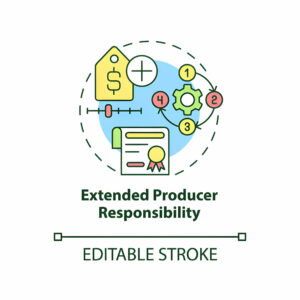
Extended Producer Responsibility puts the onus on the people making electrical and electronic equipment to also manage what happens to it once it’s discarded.
Under the current framework, producers covered by the rules have to meet their recycling obligations through the EPR system, tracked via CPCB’s E-Waste EPR Portal the digital backbone for registration, obligations, certificates, and reporting.
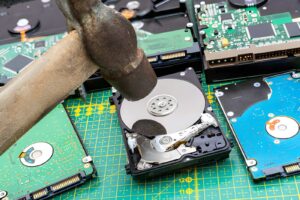
In practice, this pushes responsibility past the point of sale. A producer isn’t done once the product ships; they’re expected to have a plan for what happens at end-of-life, so devices don’t end up dismantled in an unsafe backyard operation somewhere instead of a proper recycling facility. For companies moving large volumes of electronics, that makes EPR compliance a genuine part of environmental and regulatory strategy not a footnote.
-
Who Actually Has to Comply
The E-Waste (Management) Rules, 2022 cover manufacturers, producers, recyclers, refurbishes, and dismantlers basically anyone involved in making, selling, transferring, buying, refurbishing, dismantling, recycling, or processing the equipment categories the rules apply to.
All of these stakeholders manufacturers, producers, refurbishers, and recyclers need to be registered on the E-Waste EPR Portal.
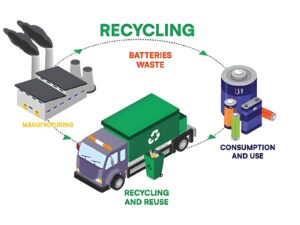
If you’re a producer, the first real step is figuring out whether your products even fall under the covered categories, and if so, what your specific obligations look like. Worth noting too: e-waste and battery waste aren’t the same thing regulatorily batteries fall under their own separate rules, the Battery Waste Management Rules.
-
How the EPR System Actually Works
The system runs on a digital link between producers and registered recyclers.
A producer starts by meeting registration and EPR requirements through CPCB. From there, recycling obligations get fulfilled through EPR certificates, which are generated based on registered recycling activity.
Per CPCB’s framework, these certificates are issued based on the e-waste actually recycled and the recovered outputs gold, copper, aluminium, iron, and so on. Producers can then buy the certificates they need from registered recyclers through the portal to meet their obligations.
This digital trail is what gives the system its teeth, it creates real traceability and accountability, and it pushes businesses toward legitimate recyclers instead of informal channels that skip proper handling altogether.
-
Why This Actually Matters
There are a few reasons EPR compliance is worth taking seriously, beyond just avoiding penalties.
For one, it channels e-waste into formal recycling instead of letting it disappear into informal disposal. Proper recycling recovers materials that would otherwise require fresh extraction real resource savings.
It also cuts down on the environmental risk that comes with mishandled electronics. CPCB’s environmental compensation guidelines specifically call out the dangers of informal, unscientific recycling.
And it builds in accountability registration, certificates, returns, audits, all of it creates a paper trail across the formal recycling chain. CPCB’s own FAQ lists quarterly and annual returns, plus stakeholder audits, as core parts of how the system is monitored.
For businesses, clean records and legitimate recycling partners also tend to feed directly into stronger ESG practices.
-
Where Escrappy Recyclers Fits In
Picking the right recycling partner is a big part of getting this right.
Escrappy Recyclers works on responsible handling and recycling of electronic waste, helping businesses shift away from unsafe disposal and toward a properly structured process. Depending on the equipment involved, that process typically covers collection, secure transport, segregation, dismantling, and material recovery.
Whoever you choose, check their regulatory standing and documentation before signing on under India’s EPR framework, producers are required to route their recycling obligations through registered recyclers specifically. Partner with a legitimate formal channel and you’re not just checking a compliance box; you’re actually contributing to resource recovery and the circular economy.
-
Mistakes That Make Compliance Harder Than It Needs to Be
A few recurring issues tend to trip businesses up:
- Working with unverified recyclers – always confirm your partner is properly registered and authorized for the activity in question.
- Sloppy documentation – keep records of generation, collection, transport, and recycling systematically, not reconstructed after the fact.
- Skipping reporting deadlines – CPCB’s system runs on periodic reporting, and the portal specifically flags quarterly returns as something stakeholders need to submit on time.
- Treating all e-waste as one category – different equipment has different materials and components, so segregation and processing need to reflect that.
- Leaving it until the deadline – EPR compliance works best folded into ongoing environmental management, not scrambled together at the last minute.
-
Where EPR Is Headed
EPR isn’t just a regulatory box to tick, it’s a real mechanism for building a circular economy, where materials pulled out of old electronics actually make their way back into productive use.
India’s E-Waste (Management) Rules, 2022 lean hard into formal recycling, digital tracking, and producer accountability, with environmental compensation built in for anyone who doesn’t meet the requirements.
For manufacturers, understanding EPR means a more systematic approach to managing electronic waste over time. For recyclers, formal registration and transparent practices build trust across the value chain, and that trust is the foundation the whole system runs on.
The Bottom Line
Understanding EPR compliance matters for any business operating in India’s electronics economy. The framework puts responsibility on producers while building a formal system that recovers real value from discarded electronics rather than letting it go to waste.
Keep documentation clean, understand your specific obligations, and work with registered recycling partners that’s most of the battle. With Escrappy Recyclers as a recycling partner, businesses can take real, practical steps toward safer e-waste management, better resource recovery, and a more sustainable circular economy.