
Smart cities run on technology smartphones, computers, smart meters, surveillance systems, electric mobility, networking gear, connected appliances. That’s the whole point of them. But every gadget that powers a smart city eventually stops working, or just gets replaced by something newer, and all of it has to go somewhere. That “somewhere” is the e-waste problem most cities haven’t fully solved.
When electronics get tossed carelessly, two things happen at once: usable materials go to waste, and hazardous components end up in places they shouldn’t be. For fast-growing cities like Bangalore, getting e-waste management right isn’t a side issue it’s part of what makes urban growth sustainable rather than just fast. Companies like Escrappy Recyclers exist to help businesses handle that side of things properly.
The Waste Problem Scales with the City
Public Wi-Fi networks, data centers, traffic systems, security cameras, sensors all of it needs upgrading on a cycle. Tech moves fast enough that hardware often gets retired while it’s still perfectly functional, just outdated. That churn adds up.
Left unmanaged, a lot of this equipment drifts into informal disposal channels or gets mixed in with regular trash. Cities building out digital infrastructure need to be building out e-waste infrastructure right alongside it not as an afterthought.
What’s Actually at Stake Environmentally
Electronics aren’t simple. A single device might contain metals, plastics, glass, circuit boards, and other materials that need careful handling when broken down. Burning, dumping, or informally dismantling this stuff carries real environmental risk.
Proper recycling collection, sorting, dismantling, processing through legitimate channels cuts that risk substantially. It’s the difference between e-waste as a hazard and e-waste as a manageable stream.
- Value is Sitting in Old Devices
Here’s the part that’s easy to overlook: old electronics aren’t just waste, they’re a resource. Copper, aluminum, iron, and in some devices trace precious metals can all be recovered. Every bit reclaimed is that much less virgin material that needs to be mined or extracted new.
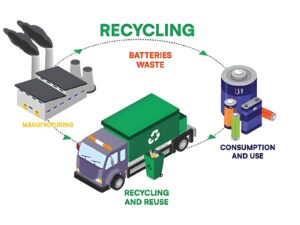
This is the basic logic of a circular economy keep materials in use rather than pulling more out of the ground every time something breaks or gets outdated.
- Reuse Before Recycling
A smart city being “smart” isn’t just about having the latest tech it’s about not wasting what it already has. Old computers, phones, servers, and networking equipment don’t have to go straight to the scrap pile. Plenty of it can be assessed for reuse or refurbishment first, with recycling reserved for what’s genuinely beyond that point. IT asset disposal in Bangalore builds its process around that same order of operations.

- Data Security Can’t Be an Afterthought
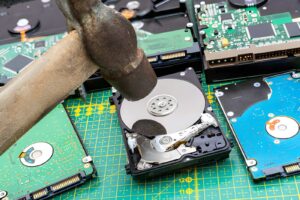
This one’s easy to miss: old hard drives, laptops, and servers often still hold sensitive data even after files have been “deleted.” Just throwing a drive in the trash isn’t disposal it’s a security risk waiting to happen.
Proper data destruction, done before equipment gets recycled, closes that gap. For any business retiring IT assets, this step deserves as much attention as the environmental side of the process.
- Organized Collection Keeps Cities Cleaner
Dead electronics have a way of piling up in offices, storage rooms, warehouses, wherever no one’s dealing with them. A city with clear, accessible collection points makes it far easier for residents and businesses to do the right thing instead of the convenient thing. Professional recyclers are usually the ones who actually build and run those channels.
- Businesses Carry Real Weight Here
Smart cities aren’t just government infrastructure they’re powered by the businesses, schools, hospitals, and institutions running inside them, all of which cycle through computers, printers, servers, and phones regularly. When those organizations partner with recyclers instead of quietly dumping old hardware, the effect compounds across a whole city. That’s the gap Escrappy Recyclers works to fill.
- Awareness Is Half the Battle
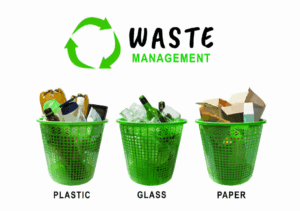
None of this works without people actually using it. Residents need to know that phones, chargers, batteries, and old TVs don’t belong in the regular trash and they need somewhere convenient to take them instead. Schools, neighbourhoods, and local institutions all have a role in normalizing that habit.
The Bigger Picture
A city isn’t smart just because it’s wired; it’s smart when its technology and its environmental footprint grow in balance rather than in conflict. Getting e-waste management right reducing pollution, recovering materials, and building the habits and infrastructure to support it is part of what makes that balance possible.
Escrappy Recyclers works with organizations on exactly this: proper collection, secure data destruction, and responsible recycling for computers, laptops, servers, and networking equipment headed for retirement. For any business upgrading its IT infrastructure, having a partner handle disposal this way turns what could be a liability into just another well-managed part of doing business one more piece of what keeps a growing city liveable.