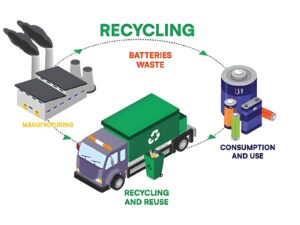
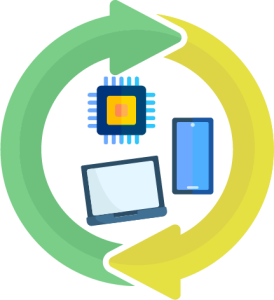
Technology keeps advancing, and with it comes shorter replacement cycles for phones, computers, TVs, appliances, and servers. That pace creates a real e-waste problem but old electronics don’t have to end up as waste. Handled properly, they become a resource.
A circular economy replaces the old “take, make, use, dispose” model with one where products and materials stay in use as long as possible. UNEP points to reuse, repair, refurbishment, remanufacturing, repurposing, and recycling as the key strategies for retaining value.
Here’s how e-waste recycling fits into that picture, and how businesses and individuals can take part through responsible partners like Escrappy Recyclers.
-
Recovering Valuable Raw Materials
Electronics contain copper, aluminium, iron, gold, silver, and other materials worth recovering. Proper recycling separates and processes these so they can go back into manufacturing. The European Commission notes that modern electronics hold rare and valuable resources, including critical raw materials that can be recovered and reused.
-
Cutting Reliance on Virgin Resources
Mining new raw materials takes heavy amounts of energy, water, and land. Recovering usable materials from old electronics gives manufacturers a secondary source to draw on instead, which is really the core idea behind a circular economy: keep materials moving rather than constantly pulling new ones out of the ground.
-
Keeping Products and Components in Use Longer
Recycling is the last step, not the only one. Before that, electronics can often be repaired, refurbished, reused, or stripped for working parts. A functioning laptop might get refurbished and resold; components from one device might find a second life in another. UNEP’s framework treats repair, refurbishment, remanufacturing, and repurposing as equally important to recycling itself.
-
Keeping E-Waste Out of Landfills
Electronics that get thrown out with regular trash often contain hazardous substances that need specialized handling. UNEP has flagged poor e-waste management as a contributor to air, soil, and water contamination. Proper collection, sorting, and processing keeps that material out of landfills and in the right treatment channels.
-
Building Secondary Raw Material Markets
Recycling doesn’t just remove waste; it produces usable inputs. Recovered metals, plastics, and glass can feed back into manufacturing once properly processed. The more demand there is for these recycled materials, the stronger the case for investing in collection and recycling infrastructure. UNEP lists better resource recovery and greater use of recycled materials among the priorities for a circular transition.
-
Supporting Sustainable Manufacturing
Manufacturers need a steady supply of raw materials, and recovering them from old electronics is becoming a meaningful part of that supply chain. A solid recycling ecosystem connects consumers, businesses, recyclers, and manufacturers so that discarded devices become a materials source rather than dead weight. The European Commission also points to better WEEE collection and treatment as a lever for resource efficiency.
-
Pushing Better Product Design
When recycling and recovery matter more to the supply chain, manufacturers have more reason to design for durability, repairability, and easier material recovery from the start. That kind of design makes future repair, refurbishment, and recycling simpler down the line.
-
Creating Jobs
Collection, transport, sorting, dismantling, refurbishment, and processing all require people. UNEP notes that circular approaches can generate real employment while cutting resource use and environmental impact, meaning e-waste recycling isn’t just an environmental effort, it’s economic activity too.
-
Helping Businesses Meet Sustainability Goals
Companies generate plenty of e-waste just by upgrading computers, servers, networking gear, and phones. Rather than tossing old equipment, businesses can set up structured recycling programs working with partners like Escrappy Recyclers to handle end-of-life electronics responsibly and support their own sustainability targets.
-
Changing How We Think About “Waste”
The biggest shift might just be mental: an old laptop or broken phone isn’t automatically trash. Through reuse, refurbishment, and recycling, its materials can go right back into productive use. UNEP frames this as the move away from “take-make-waste” toward systems built to retain value.
How Escrappy Recyclers Fits In
Escrappy Recyclers focuses on keeping electronic materials in productive use rather than letting them go to waste. Businesses and individuals can help simply by routing unwanted electronics through proper recycling channels instead of the trash, from collection and sorting through to processing and material recovery.
E-waste recycling touches nearly every part of the circular economy: recovering materials, easing pressure on virgin resources, keeping landfills clear, building secondary markets, and creating jobs along the way. It takes manufacturers, businesses, consumers, and recyclers all doing their part. Recycling responsibly with a partner like Escrappy Recyclers is one concrete way to keep that loop closed.