
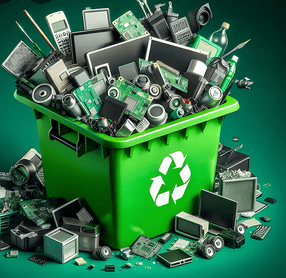
From smartphones and laptops to printers, servers, and household appliances, technology continues to evolve rapidly. However, the increasing use of electronics has also created a major environmental challenge, electronic waste, commonly known as e-waste. Proper recycling and disposal of electronic waste are now essential for protecting the environment and building a healthier future.
Companies like Escrappy Recyclers are playing a vital role in helping businesses and individuals manage electronic waste responsibly through eco-friendly recycling solutions and sustainable waste management practices.
What Is E-Waste?
Common examples include:
- Computers and laptops
- Mobile phones
- Televisions
- Printers and scanners
- Batteries
- Servers and networking equipment
- Household electronic appliances
Many electronic devices contain hazardous materials such as lead, mercury, cadmium, and lithium. When disposed of improperly, these toxic substances can pollute soil, water, and air, causing serious environmental and health problems.
Why E-Waste Recycling Is Important
- Protecting the Environment
Improper disposal of electronic waste often leads to landfill pollution and toxic chemical leakage. Recycling e-waste helps prevent dangerous substances from contaminating the environment. Certified recyclers safely dismantle electronic products and process them using environmentally responsible methods.
By recycling electronics, we can reduce pollution, conserve natural resources, and minimize the harmful impact of waste on ecosystems.
- Conserving Valuable Resources
Electronic devices include expensive metals like:
- Gold
- Copper
- Silver
- Aluminum
- Palladium
E-waste recycling allows these materials to be recovered and reused in the manufacturing of new products. This reduces the need for mining and helps conserve finite natural resources.
Advanced recycling companies like Escrappy Recyclers focus on sustainable recovery processes that support the circular economy and reduce resource wastage.
- Reducing Carbon Footprint
Manufacturing new electronic products requires large amounts of energy and raw materials.
Sustainable e-waste management contributes to:
- Lower carbon emissions
- Reduced industrial pollution
- Energy conservation
- Cleaner production cycles
As environmental awareness grows, recycling electronic waste is becoming an important part of global sustainability efforts.
The Health Risks of Improper E-Waste Disposal
Many people are unaware of the serious health risks associated with unsafe e-waste disposal. Toxic substances released from damaged electronics can affect:
- Respiratory health
- Nervous systems
- Kidney and liver function
- Skin and eye health
Workers involved in unregulated recycling processes are especially vulnerable to hazardous exposure. Proper recycling through authorized recyclers ensures safe handling, transportation, dismantling, and disposal of electronic components.
Growing Demand for Professional E-Waste Recycling Services
Corporate organizations are increasingly seeking professional recycling partners for:
- IT asset disposal (ITAD)
- Secure data destruction
- Server recycling
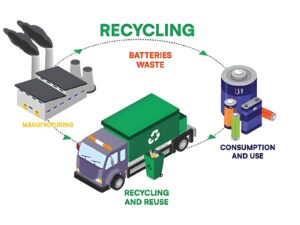
- Battery disposal
- Electronic waste collection
- ESG and sustainability compliance
Escrappy Recyclers offers reliable e-waste recycling solutions designed to help organizations safely dispose of obsolete electronics while maintaining environmental responsibility and data security.
The Role of Data Security in E-Waste Recycling
Simply discarding devices without secure data destruction can create serious cybersecurity risks.
Professional e-waste recyclers provide:
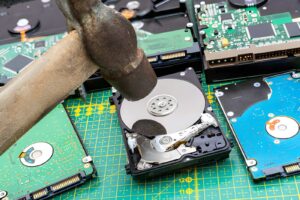
- Secure hard drive shredding
- Certified data wiping
- Safe destruction of confidential information
- Compliance with data protection regulations
This ensures that businesses can recycle electronics without compromising sensitive data.
E-Waste Recycling and the Circular Economy
The circular economy focuses on reducing waste by reusing, refurbishing, and recycling materials for continuous use. E-waste recycling supports this model by extending the lifecycle of valuable resources.
Benefits of the circular economy include:
- Reduced landfill waste
- Lower environmental impact
- Increased material efficiency
- Sustainable industrial growth
Recycling electronics responsibly helps create a cleaner and more resource-efficient future for upcoming generations.
How Individuals Can Contribute
Everyone can play a role in reducing e-waste pollution by following simple practices:
- Donate working electronics
- Recycle old devices through certified recyclers
- Avoid illegal dumping
- Buy durable and energy-efficient products
- Participate in e-waste collection drives
Responsible consumer behavior can significantly reduce the growing burden of electronic waste worldwide.
Conclusion
E-waste recycling is no longer just an environmental option; it has become a necessity for protecting public health, conserving resources, and building a sustainable future. As technology usage continues to rise, responsible electronic waste management will play an even greater role in maintaining environmental balance.
Professional recycling companies like Escrappy Recyclers are helping businesses and communities move toward safer, greener, and more sustainable waste management practices. By choosing certified e-waste recycling services, individuals and organizations can contribute to a healthier planet and a cleaner future for generations to come.