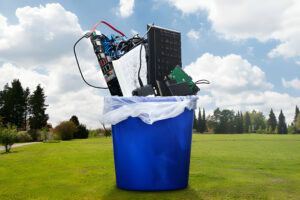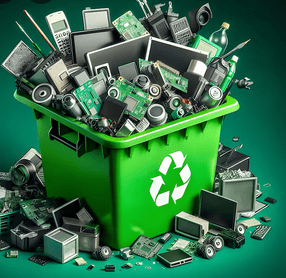
Electronic devices run modern life at this point. Smartphones, computers, televisions, refrigerators, batteries, printers they’re all woven into daily routines. But once these products stop working or get replaced, they become e-waste, and that’s where things get complicated.
E-waste isn’t just clutter. A lot of electronics contain materials that can genuinely harm people and the environment when they’re dismantled carelessly, burned, dumped, or left to rot in landfills. That’s what makes responsible e-waste recycling such a critical piece of sustainable waste management not a nice-to-have.
Knowing what’s actually hiding inside old electronics helps individuals and businesses make smarter disposal calls. Professional recyclers like Escrappy Recyclers handle old electronics through proper collection, segregation, recycling, and resource recovery the steps that make disposal safe instead of risky.
-
What Makes E-Waste Potentially Hazardous?
Electronics are a tangle of plastics, metals, glass, circuit boards, batteries, and other components. Buried inside that mix, some equipment carries lead, mercury, cadmium, chromium compounds, and flame-retardant chemicals.
None of this is dangerous while the device is intact and working normally. The trouble starts once electronics get dismantled or processed the wrong way.
Burning cables informally to strip out valuable metals, for instance, releases harmful fumes and pollutants. Breaking devices apart without the right controls kicks up contaminated dust that puts workers and nearby communities at risk.
That’s the core reason e-waste shouldn’t go anywhere near the regular household trash, it needs a proper handling and recycling channel instead.
-
Lead and Its Environmental Risks
Lead has shown up in electronics for decades in solder, in older display technologies, in all kinds of components. When e-waste containing lead gets handled carelessly, that lead can end up in soil and dust.
Lead doesn’t break down or disappear on its own. Once it’s out in the environment, it can stick around for years, moving through soil, water, and eventually food.
Careless dismantling also puts workers directly at risk. Professional recycling facilities build in controlled processes and protective measures specifically to cut down exposure during dismantling and material recovery.
Routing lead-containing components through proper recycling channels is really the only way to manage that risk responsibly.
-
Mercury and Electronic Waste
Mercury turns up in some older lighting products, switches, displays, and similar components. Break one of these open carelessly, or toss it in the trash, and that mercury doesn’t just disappear; it gets released.
Depending on its form and the conditions around it, mercury can end up contaminating air, soil, and water. Water contamination is especially worrying, since mercury can work its way into aquatic ecosystems and build up inside organisms over time.
Collecting and treating mercury-containing e-waste properly cuts down the chance of it ever reaching the environment uncontrolled. So instead of dropping old electronics into a regular bin, use an authorized e-waste recycling service whenever one’s available.
-
Cadmium and Other Hazardous Materials
Cadmium shows up in certain batteries, coatings, and older electronic components. Dispose of these carelessly and cadmium can leach into soil and water.
Depending on the type, age, and design of a device, other hazardous substances can be lurking too which is exactly why dismantling e-waste isn’t a job for guesswork. It takes real knowledge, the right equipment, and environmental controls.
Professional recycling separates materials properly, recovering what’s valuable while keeping hazardous components contained and managed.
E-waste Dubai helps businesses and households move away from unsafe, ad-hoc disposal and toward recycling that’s actually structured and accountable.
-
What Happens When E-Waste Goes to Landfills?
Dumping electronics with general waste wastes materials that could have been recovered and it creates environmental risk on top of that.
Electronics in landfills break down over time, and depending on local conditions, substances from those components can migrate into surrounding soil or water.
There’s also the resource loss to consider. Copper, aluminum, iron, and other recoverable materials stay buried in a landfill instead of getting reused. Recycling is the alternative pulling out what’s useful and treating the rest properly.

-
Burning E-Waste Creates Serious Pollution
Some informal recycling operations burn e-waste to strip metal out of cables and components. Burning plastics and other electronic materials without real pollution controls releases toxic smoke, plain and simple.
Open burning degrades air quality and exposes workers and nearby communities to harmful emissions. It also leaves behind contaminated ash that can work its way into soil and water.
Proper recycling skips the burning entirely, using mechanical, physical, and specialized treatment processes to recover materials safely. For businesses dealing with large volumes of old electronics, that makes choosing the right recycling partner an environmental issue and a workplace-safety issue at the same time.
-
Batteries Require Special Attention
Lithium-ion batteries power most modern electronics phones, laptops, tablets, and plenty more. Damage or mishandle one and you’ve got a real fire risk on your hands.
Tossing batteries into regular garbage causes problems too, especially during transport, compaction, or waste processing. Never puncture, crush, or try to dismantle a battery yourself. Devices with batteries inside need to go through proper collection and recycling channels no exceptions.
-
E-Waste Can Harm More Than the Environment
The fallout from improper e-waste disposal doesn’t stop at pollution. Workers doing unsafe dismantling or informal processing get exposed to hazardous substances directly through dust, fumes, contaminated surfaces, or skin contact.
Children and other vulnerable groups tend to be more sensitive to that kind of exposure, and communities living near uncontrolled dumping or processing sites carry a heavier burden than most.
Responsible recycling cuts down these risks through controlled collection, dismantling, segregation, storage, and material recovery. It’s not just about where your old electronics end up, it’s about how they’re actually processed once they get there.
-
Recycling Recovers Valuable Natural Resources
There’s real value locked inside old electronics. Circuit boards, cables, motors, batteries all of it can contain copper, aluminum, iron, and other materials worth recovering.
Pulling those materials back out means less need to mine or extract raw materials from scratch, which is exactly the kind of thing a circular economy is built on. Old electronics aren’t just waste; they’re a source of secondary raw materials waiting to be reclaimed.
Escrappy Recyclers channels discarded electronics toward exactly that kind of recovery.
Choose Responsible E-Waste Recycling
The simplest way to cut e-waste risk is to keep it out of general waste streams entirely.
Here’s what that looks like in practice:
- Keep old electronics separate from household garbage.
- Never burn or dismantle devices without proper controls.
- Handle batteries carefully, and keep damaged ones away from heat and ignition sources.
- Use a responsible e-waste collection or recycling service.
- Wipe personal data and follow proper data-destruction steps before recycling any device.
- Ask your recycler how they handle and document the process.
Businesses have their own version of this: set up an organized e-waste collection program and keep records of what gets sent for recycling.
In Conclusion
The toxins hiding in e-waste lead, mercury, cadmium, and various chemicals tied to electronic components aren’t hypothetical risks. They cause real environmental and occupational harm when devices get dumped, burned, or dismantled carelessly.
At the same time, that same e-waste holds valuable materials that can be recovered and fed back into the manufacturing cycle. Done right, recycling cuts pollution and supports resource conservation at once.
Escrappy Recyclers encourages individuals, organizations, and businesses to choose responsible e-waste recycling over tossing electronics in with the regular trash. Give old electronics a proper path forward, and you cut unnecessary environmental risk, recover resources worth keeping, and help build a cleaner, more sustainable future.