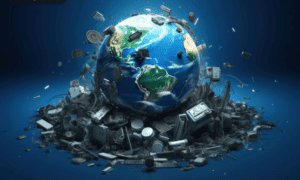

Electronic devices run modern life, but the technology boom has created a real environmental problem alongside it: electronic waste. Old computers, smartphones, servers, circuit boards, televisions, and other equipment all carry materials worth recovering and reusing including precious metals like gold, silver, palladium, and platinum.
Recovering precious metals from e-waste matters because it cuts down on mining, conserves natural resources, and feeds into a circular economy. With the right recycling techniques and responsible processing, companies like Escrappy Recyclers treat discarded electronics as a resource rather than just trash.
Why E-Waste Contains Precious Metals
Electronic devices are packed with metals because of how well they conduct electricity, resist corrosion, and hold up over time. Gold shows up in connectors, circuit boards, and processors. Silver turns up in contacts and other conductive parts, while palladium and platinum get used in certain components and specialized applications.
Any single device only holds a tiny amount of these metals, but the sheer volume of e-waste generated worldwide makes recovery genuinely worthwhile recycling at scale turns into a real secondary source of metal supply.
It also keeps hazardous electronic waste from getting dumped or burned improperly, which cuts down on environmental risk.
-
Collection and Responsible E-Waste Segregation
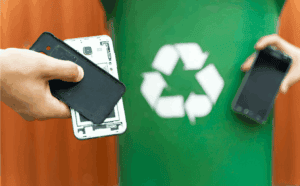
Recovery starts with proper collection and segregation. Devices need to go through responsible e-waste channels instead of ending up with regular household or commercial trash.
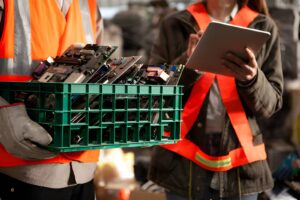
At a professional facility, collected electronics get sorted by type, material makeup, and recovery value. Computers, phones, circuit boards, cables, batteries each needs its own processing approach.
Escrappy Recyclers helps businesses and individuals route unwanted electronics into the right recycling processes. Good segregation up front means better material recovery and less contamination further down the line.
-
Mechanical Processing for Material Recovery
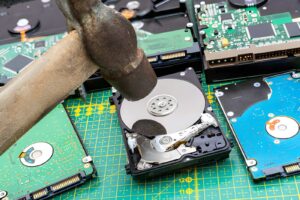
E-waste recycling typically starts with mechanical processing, dismantling, shredding, crushing, and separating equipment into different material streams using specialized machinery.
Screening, magnetic separation, eddy-current separation, and density-based separation all help sort metals from plastics and everything else.
Circuit boards matter most here, since they hold concentrated amounts of valuable metal compared to most other components. Mechanical processing preps these materials for further treatment while also recovering steel, aluminum, copper, and plastics along the way.
Better sorting technology means more usable material recovered from every batch of discarded electronics.
-
Advanced Metallurgical Techniques
Once mechanical separation is done, metal-rich materials move into specialized metallurgical processing pyrometallurgical, hydrometallurgical, or other controlled recovery methods, depending on the facility and material.
Pyrometallurgical processing uses controlled high heat to separate and concentrate metals. Hydrometallurgical methods use carefully controlled chemical processes to dissolve and selectively pull-out specific metals from prepared materials.
Facilities today are pushing to recover more while using less energy and generating less chemical waste and fewer emissions. Which process gets used depends on what’s in the feedstock and what the facility can actually run.
Managing process residues safely matters just as much here, to avoid creating secondary pollution.
-
Recovering Gold, Silver, Palladium, and Other Metals
Precious metal recovery is where advanced e-waste recycling really pays off. Gold comes out of connectors, processors, and circuit boards; silver comes from various contacts and components.
Palladium is especially valuable given how widely it’s used across electronics and other industries. Some components also hold other specialty metals worth recovering with the right processing.
The goal isn’t just pulling out precious metals; it’s recovering as much usable material as possible while keeping environmental and worker-safety standards intact. That means combining material identification, efficient separation, controlled processing, and proper residue management.
-
Environmental Benefits of Precious Metal Recovery
Recovering metals from e-waste beats mining on nearly every environmental metric. Traditional mining eats up enormous amounts of energy, water, and land, and generates plenty of waste and disturbance along the way.
Urban mining pulling valuable materials from products already in circulation offers a real alternative source of raw material. Recycling electronics this way cuts industry’s dependence on newly mined resources and keeps valuable materials circulating in the economy.
Proper recycling also keeps electronics out of landfills and informal disposal channels, where hazardous substances can leach into soil, air, and water.
-
Supporting the Circular Economy
Precious metal recovery feeds directly into the circular economy. Instead of the old linear model extract, manufacture, use, discard the circular economy keeps materials in use as long as possible.
Recovered metals become secondary raw materials for new products, easing resource pressure and giving discarded electronics real economic and environmental value again.
For businesses, responsible e-waste recycling supports sustainability goals and improves resource efficiency. Working with professional recyclers means obsolete electronics move through structured collection, sorting, processing, and recycling not just a bin somewhere.
The Role of Escrappy Recyclers
Escrappy Recyclers supports responsible e-waste management by making sure obsolete equipment ends up in the right recycling and recovery processes rather than being treated as simple waste.
From collection and segregation through to material recovery, this kind of professional handling helps businesses and individuals cut their environmental footprint and gives them a far more reliable option than informal disposal.
Choosing an experienced recycling partner matters most for organizations generating real volume: obsolete computers, networking gear, servers, mobile devices, and more.
Why Advanced E-Waste Recycling Matters
As the world’s dependence on electronics keeps growing, responsible e-waste management only becomes more important. Advanced recycling technology recovers valuable resources while cutting down the environmental toll of electronic waste.
Precious metal recovery makes the point clearly: e-waste isn’t just a disposal problem; it’s a resource opportunity. Gold, silver, palladium, copper, and aluminum all of it can go back into productive use through the right recycling systems.
In Conclusion
Recovering precious metals through advanced e-waste recycling is a real step toward resource conservation, environmental protection, and a more sustainable future. Proper collection, segregation, mechanical processing, and advanced metal recovery together divert valuable materials from disposal and put them back to work.
Escrappy Recyclers promotes exactly this kind of recycling-focused approach, treating discarded electronics as a source of recoverable resources. Choosing professional e-waste recycling is a practical way for businesses and individuals to support the circular economy, conserve natural resources, and help build a cleaner environment.